




You have seen them a thousand times.
You walk into an office, and the lights flick on automatically. You glance up into the corner of the room, and there it is. A small white box. A subtle plastic dome. It sits there silently, watching the room with an unblinking eye.
It is easy to ignore these little devices. They blend into the background by design. But have you ever stopped to ask what they actually are?
Most of the time, you are looking at a PIR motion sensor. It is the invisible backbone of modern security. From protecting your living room to lighting up your driveway, this technology is everywhere.
But what do they really look like up close? And how does that strange little plastic window actually see you?
Let’s break it down.
The Classic Look: The White Box and the Window
If you want to spot a PIR motion sensor, look for the lens.
Most indoor motion sensors are small, rectangular boxes made of white plastic. They are usually about the size of a deck of cards. But the key feature is the "window" on the front.
It is not glass. It looks like a piece of frosted plastic. It is often curved or dome shaped. If you look very closely, you might see a faint honeycomb pattern on it.
This is not just a cover. It is a precision engineered component called a Fresnel lens.
That "frosted" look is intentional. It takes the infrared light from the room and focuses it onto a tiny sensor hidden deep inside the plastic shell. Without that specific lens, the sensor would be blind.
What Is PIR Motion Sensor Technology?
PIR stands for Passive Infrared Sensor.
The word "passive" is the secret. These sensors do not shoot out lasers. They do not emit radiation. They do not send out sonar waves like a bat.
They simply wait.
A PIR motion sensor is essentially a specialized camera that sees heat instead of visible light. Every object in the world emits some level of infrared radiation. Your desk does. The walls do.
But you? You are a radiator.
Human beings generate a lot of heat. When you walk into a room, you are a bright, moving spot of infrared energy against a cooler background. The sensor detects this sudden spike in heat energy.
So when you ask what is pir motion sensor technology, the answer is simple. It is a heat seeker.
How PIR Motion Sensor Works: The Science of Movement
The sensor is not just looking for heat. It is looking for change.
If you stand perfectly still in front of a motion sensor, it might actually stop seeing you. This is because how pir motion sensor works relies on differential detection.
Inside that white box, the sensor is split into two slots. It measures the amount of infrared energy hitting slot A versus slot B.
-
The Room is Empty: Both slots see the same amount of ambient heat from the walls. The sensor is balanced.
-
You Enter: Your body heat hits slot A first. The sensor registers a positive spike.
-
You Keep Walking: Your body heat leaves slot A and enters slot B. The sensor registers a negative spike.
This rapid change from positive to negative is what triggers the alarm. It is a simple, brilliant way to filter out sunlight or a heater turning on, which would warm up both slots at the same time.
Common Designs You Will See
While the technology is the same, the housing changes based on where you put it.
The Corner Mount This is the standard security sensor. It has a 90 degree back so it fits perfectly into the corner of a room. The lens is curved to sweep the entire area.
The Ceiling 360 These look like smoke detectors. They are round, flat discs mounted in the center of the ceiling. The lens offers a full 360 degree view, perfect for open office plans or large warehouses.
The Curtain Sensor This is a niche design. It looks like a thin vertical bar. It creates a laser thin barrier across a window or door. It allows you to walk around the room freely, but the alarm trips instantly if anyone crosses the specific "curtain" line.
The Pet Immune Sensor These look identical to standard sensors, but the lens is modified. It ignores the bottom section of the room. Your dog can run around on the floor without triggering the alarm, but a human walking upright will be caught immediately.
The Next Gen: PIR in Modern Security Cameras
In the past, motion sensors were separate devices. Today, the best security systems integrate them directly into cameras.
This solves a huge problem: battery life.
A camera sensor consumes a lot of power. If it ran 24/7 waiting for movement, your wireless camera would die in a day. A PIR motion sensor uses almost zero power.
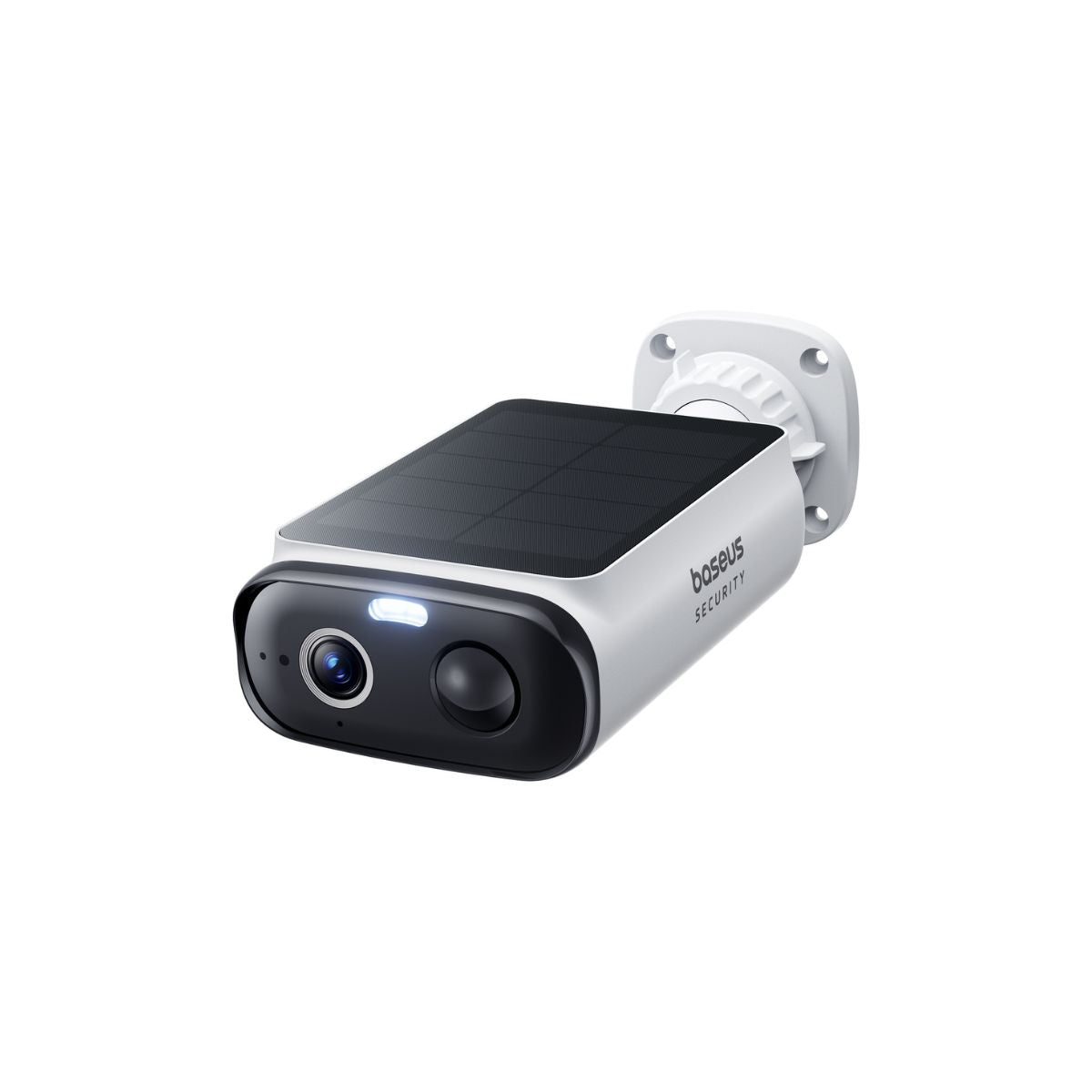
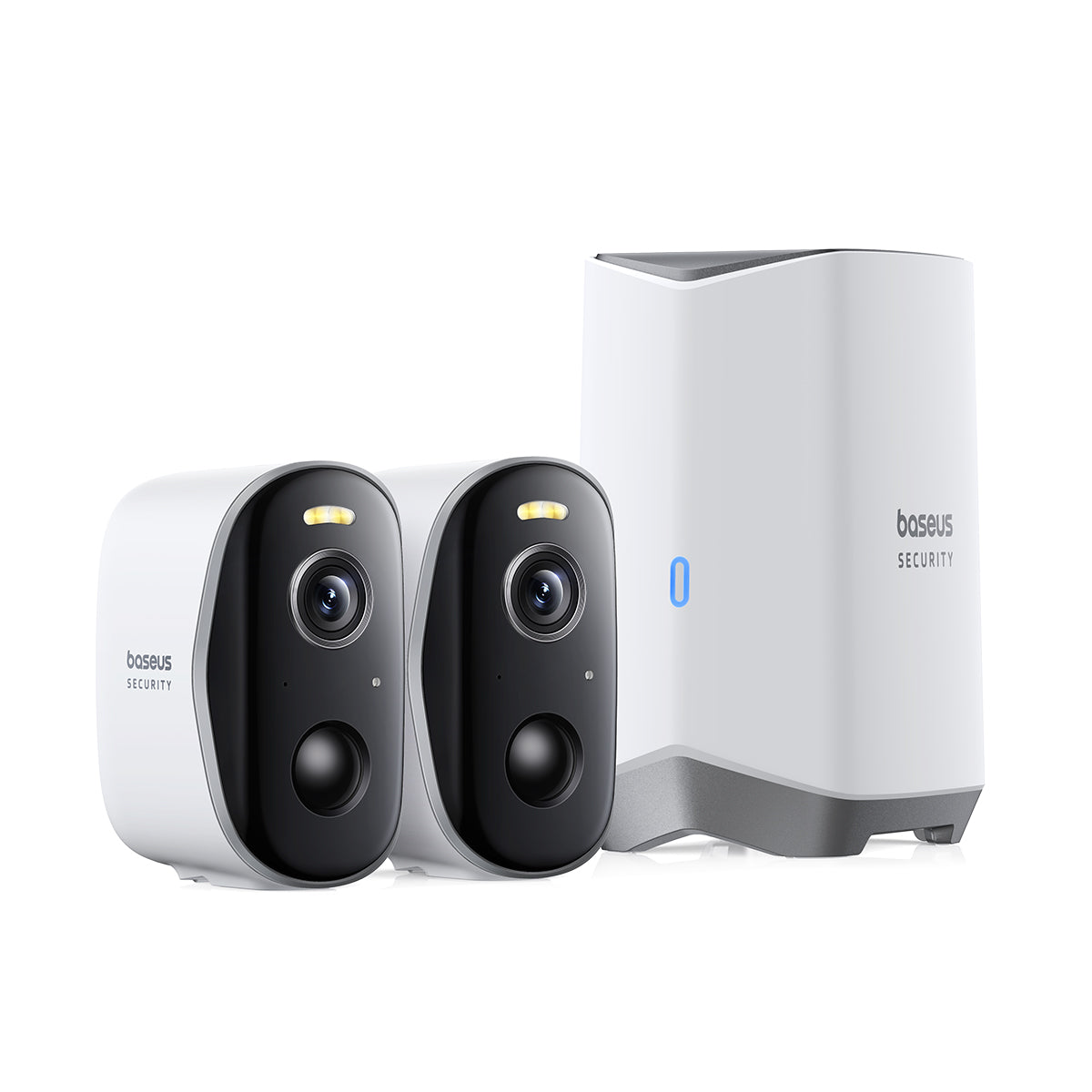
This is the architecture used in the Baseus Security X1 Pro.
The X1 Pro is a solar powered, wire free system. To make sure it lasts for months, it relies on a high sensitivity PIR sensor as its first line of defense.
-
The Wait: The camera stays in sleep mode. The passive infrared sensor watches the scene, using barely any energy.
-
The Trigger: When the PIR detects a heat signature (a person or car), it instantly wakes up the camera.
-
The Analysis: The camera's powerful Onboard AI takes over. It identifies if the object is a Human, Face, Pet, or Vehicle.
-
The Tracking: The X1 Pro utilizes its Dual Rotatable Lenses to lock onto the target. With Panoramic Stitching, it keeps the subject in view across a massive 180 degree field.
Because the PIR handles the initial detection, the X1 Pro saves its battery for when it truly counts. It allows the solar panel to easily keep the system topped up, ensuring you never have to climb a ladder to swap batteries.
Conclusion: The Invisible Guardian
They are small. They are unassuming. They look like boring pieces of white plastic.
But the PIR motion sensor is a marvel of efficiency. It uses the physics of your own body heat to keep your home safe. It is the reason your lights turn on when your hands are full. It is the reason your security camera wakes up in time to catch a thief.
Next time you see that little frosted window in the corner, give it a nod. It has already seen you.
Ready to upgrade your home with sensors that do more than just blink? Explore our collection of smart, solar powered security solutions.
Explore Our Best Selling Security Products
FAQs
Do PIR sensors work through glass?
Generally, no. Glass blocks infrared radiation. If you place a PIR motion sensor inside your window facing out, it will not detect a person walking in your yard. The sensor will just see the temperature of the glass itself. This is why outdoor cameras like the Baseus X1 Pro have the sensor mounted on the outside housing.
Can a PIR sensor detect a car?
Yes. A car engine emits a massive amount of heat, far more than a human. As long as the car is moving, the differential change in heat will trigger the sensor. This is how the Baseus X1 Pro wakes up to record vehicles entering your driveway.
Why does my motion sensor have a red light that flashes?
That is the "walk test" LED. It flashes to let you know the sensor has detected movement. In many security systems, you can turn this light off in the settings so the sensor operates invisibly, preventing an intruder from knowing exactly where they have been spotted.


